1455 to 1509
The Wars of the Roses, and after
Britannica dates the Wars of the Roses to 1455–85: dynastic civil wars between the houses of Lancaster and York for the English throne.1 They were named many years afterward from the supposed badges of the contending parties: the white rose of York and the red rose of Lancaster.1 The Wars of the Roses, in English Heritage wording, were a series of short campaigns fought at intervals between 1455 and 1485, during which the Crown changed hands six times.2
The first battle of the wars, at St. Albans (May 22, 1455), resulted in a Yorkist victory and four years of uneasy truce.1 Richard III was defeated and killed at Bosworth (1485) by the Lancastrian heir, Henry Tudor.2 Henry defeated and killed Richard at Bosworth Field on August 22, 1485, bringing the wars to a close, in Britannica's traditional dating.1
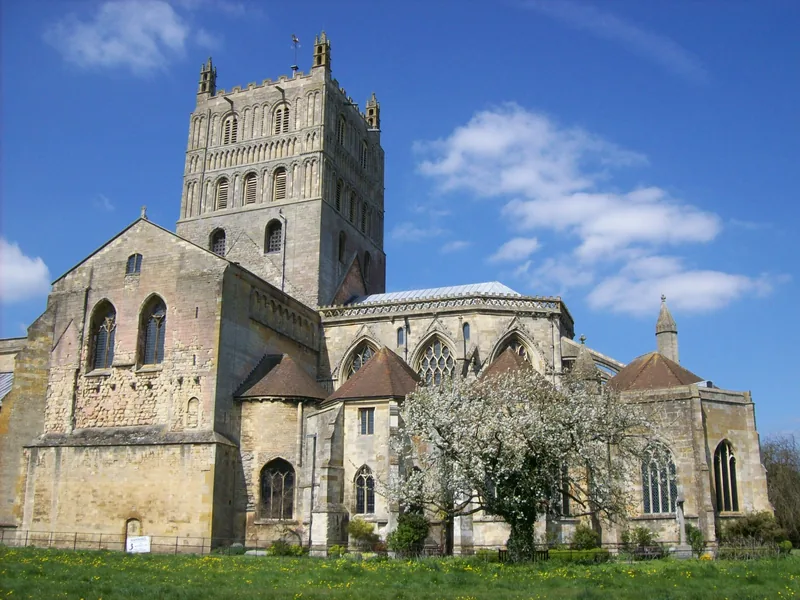
Henry VII's victory against Richard III at the Battle of Bosworth, it says, ended the turbulent Wars of the Roses and began the Tudor dynasty.3 It dates the Battle of Bosworth to 22 August 1485, after which Henry Tudor was crowned king, the first Tudor monarch.4

1485 or 1487?
English Heritage treats Bosworth, 22 August 1485, as the last major battle of the Wars of the Roses and the start of the Tudor dynasty. Britannica also uses 1455–85 as the traditional span, with Richard killed at Bosworth Field on 22 August 1485, “bringing the wars to a close.” The same Britannica article notes that Henry defeated a Yorkist rising for Lambert Simnel at Stoke on 16 June 1487, “a date which some historians prefer over the traditional 1485 for the termination of the wars.” Henry VII then reigned until 21 April 1509, which is where this site stops.
Henry VII
In 1485 Henry landed at Milford Haven in Wales and advanced toward London.5 He was crowned on October 30 and secured parliamentary recognition of his title early in November. He married Elizabeth of York on January 18, 1486.5 By his marriage to Edward IV's daughter Elizabeth of York in 1486, Henry united the Yorkist and Lancastrian claims.1
Henry defeated a Yorkist rising supporting the pretender Lambert Simnel on June 16, 1487, a date which some historians prefer over the traditional 1485 for the termination of the wars.1 Henry VII, born 28 January 1457, died 21 April 1509 at Richmond, Surrey, and was king of England from 1485 to 1509. Britannica says he succeeded in ending the Wars of the Roses and founded the Tudor dynasty.5 When he died, his only surviving son, Henry VIII, succeeded him without a breath of opposition.5

This site stops when Henry VII dies on 21 April 1509 and Henry VIII succeeds him. What follows is the Tudor story, on a site that has not been built yet.