1066
The Norman Conquest
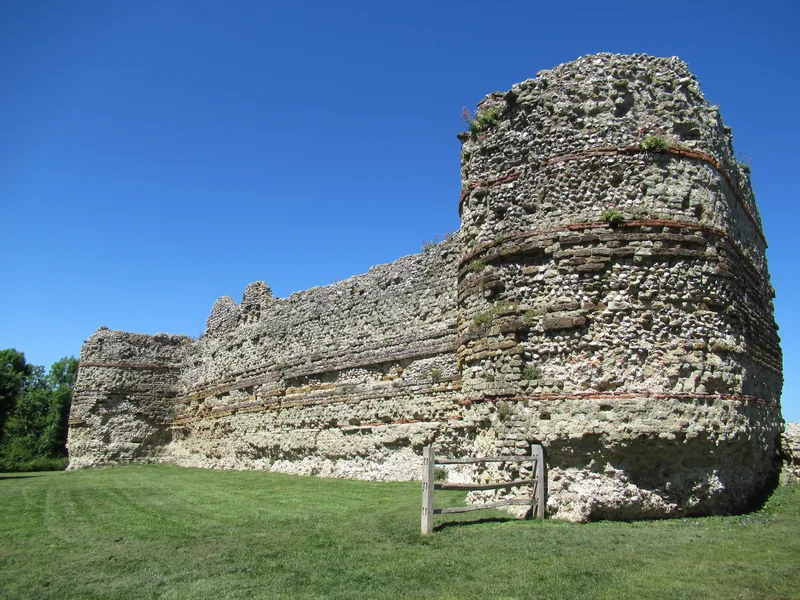
The Norman Conquest, Britannica says, was primarily effected by William's decisive victory at the Battle of Hastings (October 14, 1066).1 Edward, from his deathbed, named Harold his successor on January 5, 1066, and Harold was crowned king the following day.1 At Stamford Bridge (September 25) Harold won a smashing victory in which both Harald III and Tostig perished.1
By August 1066 William had assembled a force of 4,000–7,000 knights and foot soldiers.1 Landing in Pevensey on September 28, he moved directly to Hastings.1 Harold, hurrying southward with about 7,000 men, approached Hastings on October 13.1
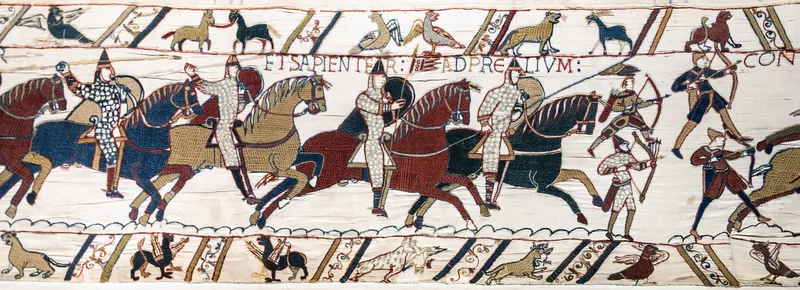
Late in the afternoon, Harold was killed (by an arrow in the eye, according to the Bayeux Tapestry), and by nightfall the remaining English had scattered and fled.1
An arrow in the eye?
Britannica says that late in the afternoon at Hastings, Harold was killed “(by an arrow in the eye, according to the Bayeux Tapestry).” That is a claim about what the tapestry shows, not a medical fact everyone agrees on, so we keep the “according to” in view.
After the battle
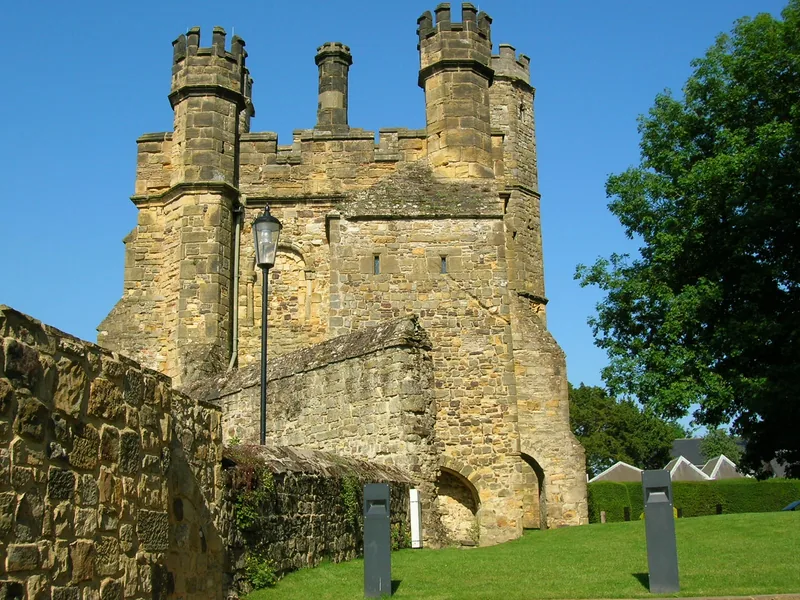
William was crowned in Westminster Abbey on Christmas Day, 1066.1 Sporadic revolts continued until 1071. The most serious, in Northumbria (1069–70), was suppressed by William himself, who then devastated vast tracts of the north.1 William founded only a small number of monasteries, including Battle Abbey, in honour of his victory at Hastings.1
William revolutionized the upper ranks of English society by dividing the country among about 180 Norman tenants-in-chief.1 Written English, Britannica says, hardly reappeared until the 13th century, after the vernacular was superseded in official documents by Latin and then increasingly by Anglo-Norman.1
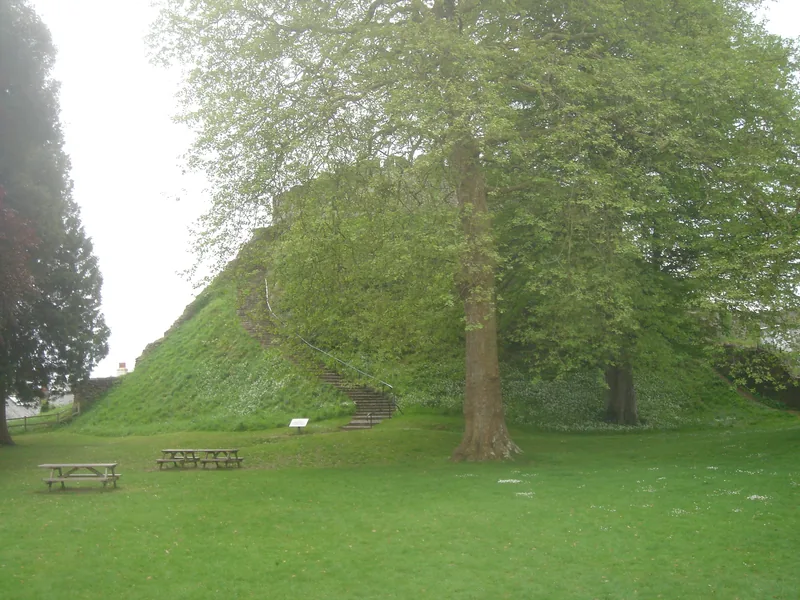
William and his knights, and the castles they built, transformed England and helped impose Norman rule.2 Norman clergy dominated the Church, and monasteries and churches were constructed in the new Romanesque or Norman style of architecture.2 The Norman Conquest, the same guide says, was achieved largely thanks to two instruments of war previously unknown in England: the mounted, armoured knight, and the castle.3
Every level of society was under an obligation of service to the class above.2 Punitive forest laws protected the royal hunting preserves, and reinforced the new regime.2
The country descended into chaos and civil war when Henry I's nephew Stephen (r.1135–54) was crowned king, despite the rival claim of Henry's daughter Matilda.2 Order was restored by Matilda's son, Henry II (r.1154–89), the first of the Angevin or Plantagenet kings.2 St Thomas Becket was murdered in his cathedral by Henry's knights in 1170.2